
Executive Functioning Skills in Kids: What They Are, Why They Matter, and How to Build Them
What Are Executive Functioning Skills?
Executive functioning skills are the mental processes that help children plan, focus, remember instructions, regulate emotions, and complete tasks.
They are not academic subjects.
They are the control system behind learning.
Executive function (EF) includes:
Planning
Working memory
Flexible thinking
Emotional regulation
Task initiation
Organization
Follow-through
When executive functioning skills are strong, children can:
Start homework without resistance
Adapt when plans change
Break large projects into manageable steps
Finish what they begin
Recover from frustration
When executive functioning skills are weak, even simple tasks can feel overwhelming.
This is often mislabeled as laziness, lack of motivation, or poor behavior.
It is rarely those things.
It is usually executive function.
Why Executive Function Skills Matter More Than Most Parents Realize
Executive function predicts long-term outcomes more reliably than early academic achievement.
Research consistently shows that executive functioning skills are closely tied to:
Academic performance
Emotional resilience
Social success
Long-term independence
Children are expected to demonstrate these skills daily:
Follow multi-step instructions
Manage transitions
Complete assignments
Organize materials
Regulate frustration
Yet very few children are explicitly taught how to do these things.
They are told to “focus.”
They are told to “try harder.”
They are rarely given a framework.
Signs of Executive Functioning Challenges in Kids
Executive challenges in kids can look different depending on the child’s age, temperament, and environment.
Common signs include:
Difficulty starting tasks
Frequently losing materials
Emotional meltdowns when plans change
Trouble following multi-step directions
Incomplete assignments
Avoidance of complex tasks
Procrastination
Needing constant reminders
These behaviors are often interpreted as defiance or lack of effort.
More often, they reflect a skill gap.
Executive functioning is developmental.
It is not fully formed in childhood.
It must be practiced.
Why Executive Function Skills Are Struggling Today
Executive function develops through structured experience.
Historically, children built EF skills through:
Long-form projects
Independent problem-solving
Trial and error
Responsibility within the household
Modern childhood often reduces those opportunities.
Many children experience:
Faster rewards
Shorter attention demands
Increased adult intervention
More passive entertainment
Executive function strengthens when children:
Think ahead
Plan steps
Act in sequence
Adjust when needed
Complete the task
That full cycle is increasingly rare.
Can Executive Function Skills Be Improved?
Yes.
Executive function is highly teachable.
It is not fixed.
It is not a personality trait.
It is not something a child either “has” or “doesn’t have.”
It improves through repeated, structured practice.
The key is integrated practice.
Executive function does not grow well through isolated drills.
It grows when multiple skills are required simultaneously in real-life contexts.
That is why worksheets often fall short.
Real life integrates planning, flexibility, working memory, and regulation all at once.
The Four Core Components of Executive Function
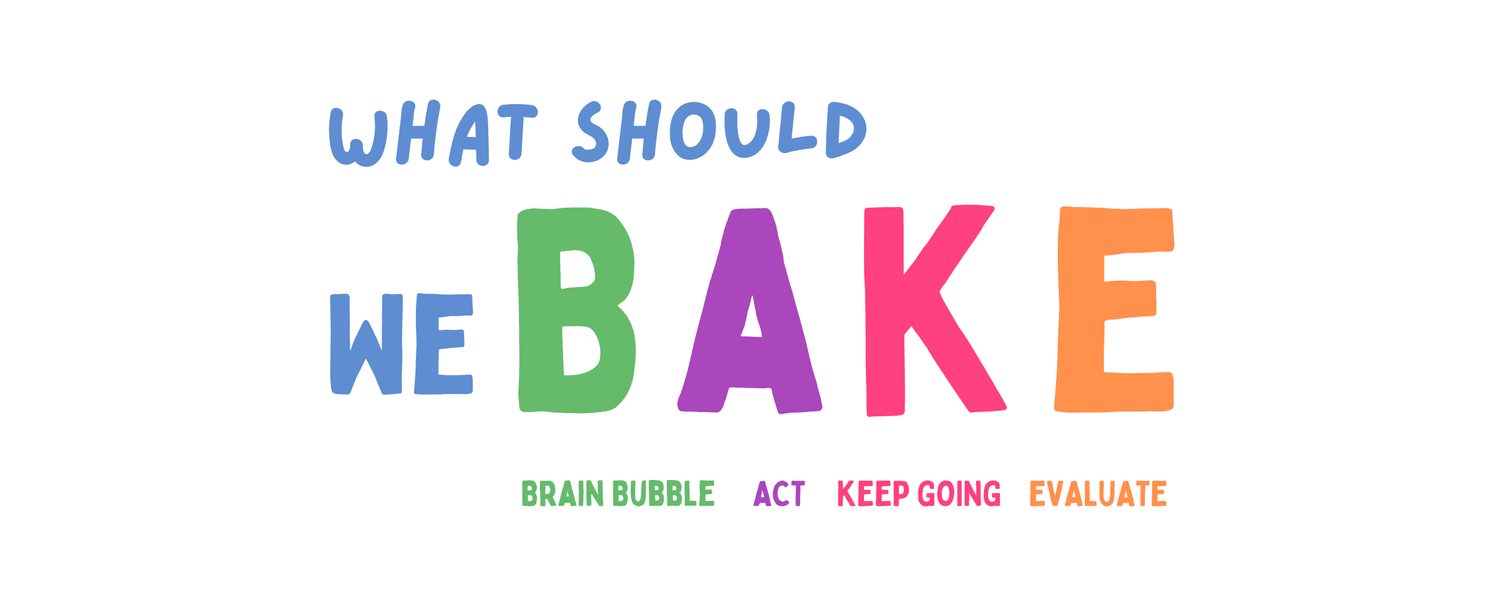
While different models describe EF differently, most experts agree on three primary areas. In practice, I teach it in four phases because children understand it more clearly that way.
1. Planning
Planning includes:
Thinking ahead
Identifying materials
Breaking large tasks into steps
Without planning, children feel overwhelmed before they begin.
2. Working Memory
Working memory allows children to:
Hold instructions in mind
Remember what comes next
Track progress
Weak working memory often leads to skipped steps or incomplete work.
3. Cognitive Flexibility
This is the ability to:
Adapt when something goes wrong
Shift strategies
Tolerate change
It is critical for resilience.
4. Task Completion
Finishing matters.
Executive function strengthens when a task:
Begins
Progresses
Concludes
Incomplete cycles weaken skill development.
Completion builds confidence.
How to Teach Executive Function Skills at Home
If you want to improve executive function in children, focus on activities that require:
Multi-step sequencing
Precision
Adaptation
Clear completion
The activity must have:
A beginning
A middle
An end
And ideally, a visible outcome.
This is where baking becomes uniquely powerful.
Why Baking Builds Executive Functioning Skills
Baking is structured creativity.
It is not open-ended chaos.
It is a guided process with constraints.
Those constraints are what strengthen executive function.
Baking Requires Planning
Before starting, children must:
Review ingredients
Gather tools
Understand the sequence
That builds pre-task thinking.
Baking Requires Working Memory
Children must remember:
Measurements
Step order
Timing
For example, you cannot add ingredients randomly.
Sequence matters.
Baking Builds Cognitive Flexibility
Batter too thick?
Timer forgotten?
Frosting too runny?
Mistakes are inevitable.
The key learning is not perfection.
It is adaptation.
Children learn to adjust rather than quit.
Baking Demands Completion
You cannot half-bake a cake.
You cannot leave it unfinished and expect results.
The process must reach the end.
That completion loop strengthens neural pathways associated with follow-through.
Executive Function Activities That Work
While baking is powerful, other activities can also support EF development when structured intentionally.
Examples include:
Building a LEGO project from instructions
Cooking a simple meal independently
Packing for an outing
Planning a small family event
Completing a multi-day craft project
The common denominator is not the activity.
It is the structure.
The child must think, plan, act, adjust, and finish.
How Parents Can Support EF Without Micromanaging
The goal is not control.
It is scaffolding.
Instead of giving constant instructions, try:
“What’s your first step?”
“What comes next?”
“What can we adjust?”
“What’s left to finish?”
These prompts shift ownership back to the child.
Executive function grows when children carry cognitive load — not when adults remove it entirely.
What Age Do Executive Function Skills Develop?
Executive function begins developing in early childhood and continues into early adulthood.
Ages 3–5:
Basic impulse control
Simple sequencing
Ages 6–9:
Multi-step planning
Growing independence
Ages 10–12:
Longer-term projects
Improved organization
Adolescence:
Complex prioritization
Abstract planning
Skill level varies widely.
Progress is nonlinear.
Practice matters more than age.
Executive Function and ADHD
Executive dysfunction is commonly associated with ADHD, but executive function challenges are not limited to ADHD.
Many children without diagnoses struggle with:
Task initiation
Emotional regulation
Follow-through
Structured, hands-on practice can support EF development regardless of diagnosis.
The Long-Term Payoff
When children strengthen executive functioning skills, parents often notice:
Increased independence
Reduced emotional escalation
Greater task completion
Improved confidence
Less daily friction
The child begins to internalize:
“I can handle this.”
That identity shift matters.
Executive Function Is Teachable
Children are not born knowing how to:
Plan
Sequence
Adapt
Finish
They must practice those skills.
When we intentionally design experiences that require those skills, development follows.
It may look like baking.
It may look like building.
It may look like preparing for a trip.
But underneath, it is structured cognitive growth.
Executive functioning skills are not optional in modern life.
They are foundational.
The earlier they are strengthened, the more capable and confident children become.